Skip to content
ANTAEngineering & Infrastructure
See when energy is demanded, by which uses and with which peaks.
This resource explains the principle, key decisions, common mistakes and the data required to go further.

A/01
Design principle
Data • Interfaces • Evidence
Energy
Key points to retain.
A load profile shows power demand over time. It reveals baseload, peaks, real schedules and coincidence with solar generation.
- A monthly total does not say when energy is used.
- The profile determines the value of self-consumption and storage.
- Peak reduction may matter as much as kWh reduction.
A/01Principle diagram — project-specific adaptation required
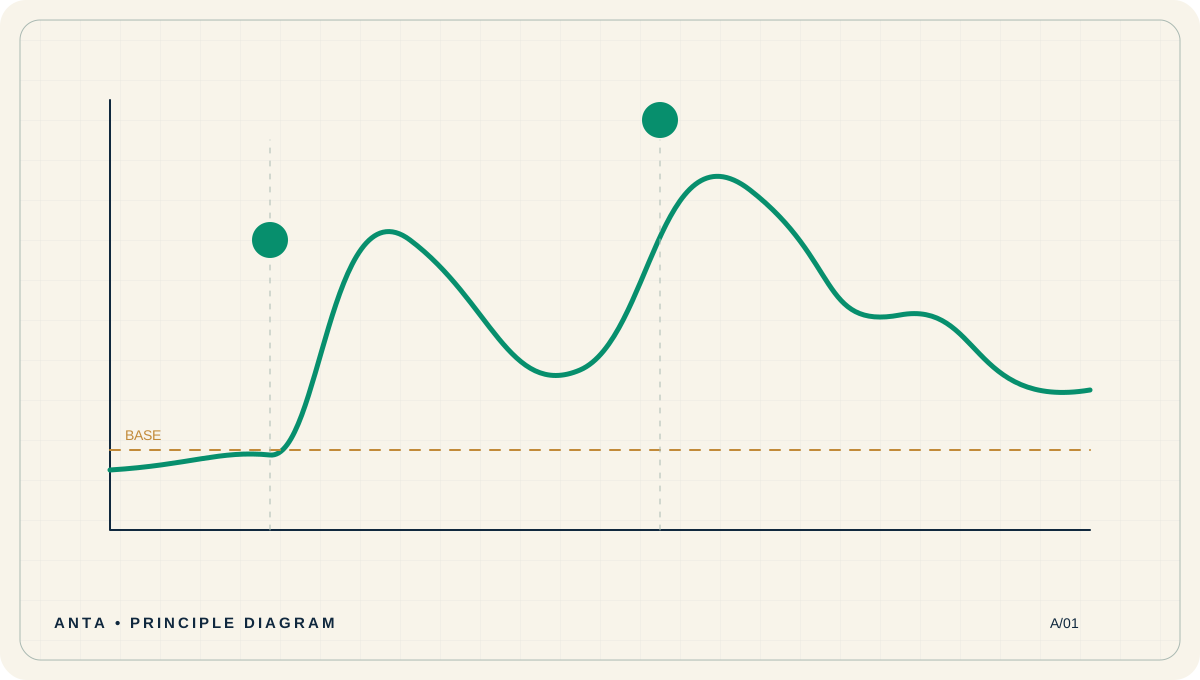 Understand the load profile
Guided reading
Understand the mechanism, then its consequences.
01Read the time axis
10-minute, half-hour, hourly or daily intervals reveal different levels of detail.
02Identify baseload
Persistent out-of-hours demand may reveal refrigeration, standby, pumps or forgotten equipment.
03See the peaks
Starts, simultaneity, morning recovery or process events stress the network and equipment.
04Compare generation and demand
Solar is most useful when it coincides with loads or can be shifted through control or storage.
Prepare a study
Useful data before reaching a conclusion.
The visitor can begin with these items. ANTA will then determine which measurements and checks are really required.
- Obtain interval data where available
- Annotate opening, closing and events
- Compare weekday, weekend and seasons
- Separate vital, flexible and avoidable loads
Frequently asked questions
Clear answers without oversimplifying.
01Why does baseload matter?
A small continuous demand can represent substantial annual energy.
02How can it be measured without a smart meter?
Temporary loggers, submeters, controls data or planned reading campaigns.
03Is the maximum peak enough for sizing?
No. Duration, frequency, motor starts, diversity and degraded operation also matter.
Essential glossary
Use the right words for the right decisions.
- Time interval
- Time between recorded values.
- Baseload
- Persistent minimum demand.
- Peak
- Maximum or high demand level.
- Diversity
- Non-simultaneous operation that reduces theoretical total demand.
Further reading
Institutional and technical sources.
ANTA content is an original synthesis. These references support verification and further study.
- ADEME — Energy management↗
Turn a subject into a project
Share the available data. We will structure the next step.
Project brief