
09Engineering & Infrastructure
Connect architecture, climate, water and living systems without weakening the asset.
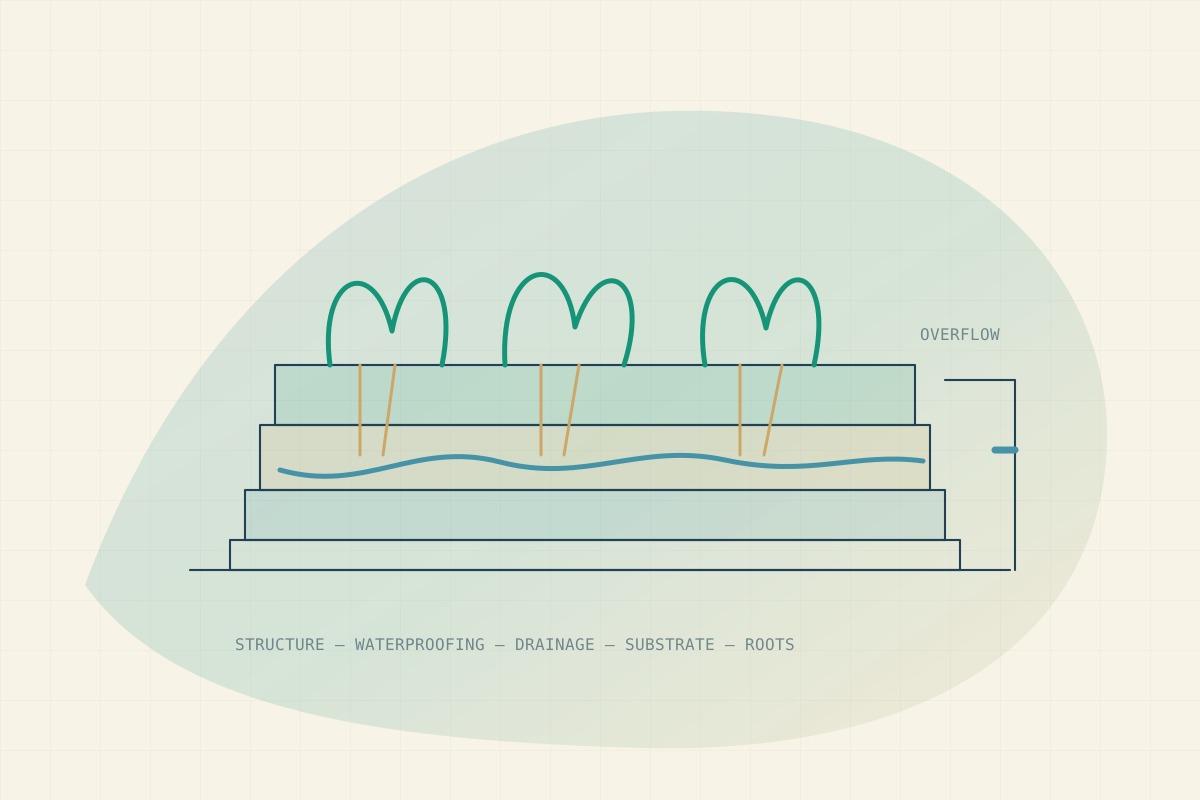
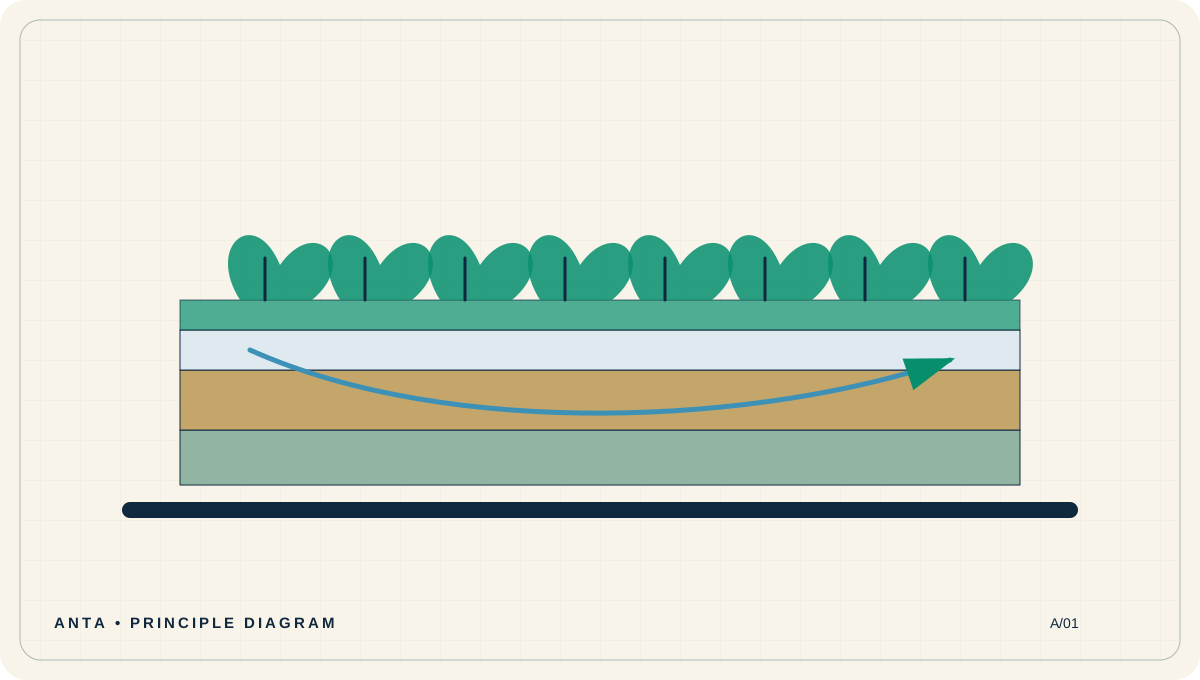
ANTA designs green systems as technical assets: structure, waterproofing, drainage, substrate, plants, irrigation, access and maintenance are considered together.
A/01
Design principle
Data • Interfaces • Evidence
Common situations
Signals that justify a study.
- 01Greening treated as decoration only
- 02Loads and structural capacity not verified
- 03Waterproofing and drainage poorly protected
- 04Planting not suited to climate or maintenance
- 05No access, irrigation or care plan
Scope of services
Assignments proportionate to the real need.
Living walls and green façades
Stormwater retention and attenuation
Summer comfort and heat-island reduction
Biodiversity and landscape integration
Efficient irrigation, access and maintenance
ANTA technical resource
See the system, not only the equipment.
Greening a building is not placing plants on a surface. It is designing a living system that joins structure, waterproofing, water, substrate, climate, biodiversity, safety and maintenance.
!
Diagrams explain a principle. Any application requires analysis of the site, use, climate, local rules and operating conditions.
A/01Principle diagram — project-specific adaptation required
Understand how it works
From principle to technical decision.
Each stage shows what engineering must observe, calculate, coordinate or verify.
Check support capacity
Permanent and temporary loads, retained water, wind, access and structural condition must be assessed.
Protect the building
Root-resistant waterproofing, upstands, protection, drainage, overflows and penetrations are essential.
Choose the living system
Depth, substrate, plants, exposure, irrigation and ecological purpose must suit climate and maintenance.
Manage water
Define retention, discharge, storage, quality, irrigation and behaviour during extreme rainfall.
Plan maintenance
Access, safety, replacement, weeding, outlet inspection and plant health are designed from the start.
Design principles
What truly changes project quality.
No universal plant
Selection depends on climate, exposure, substrate, water and invasiveness.
Waterproofing first
Greening must protect rather than conceal an uninspectable roof.
Excess water
Retain a useful share without preventing discharge during extreme rain.
Measured benefit
Comfort, water, biodiversity or landscape should have realistic objectives and indicators.
Decision support
The right questions before selecting.
These answers provide direction. They do not replace surveys, sizing or site validation.
Does a green roof replace insulation?
No. It may influence thermal behaviour, but roof insulation and build-up still require proper design.
Is leakage a major risk?
It is controlled through suitable membranes, upstands, protection, drainage, testing and inspection access.
Is irrigation required?
It depends on climate, species, substrate, season and purpose. Irrigation should be efficient and maintainable.
Learning caseIllustration — not a client reference
Learning case — public building roof terrace
The client wants less heat and a landscape visible from upper floors.
- Check structure and waterproofing
- Define thermal, landscape and water aims
- Compare extensive and semi-intensive systems
- Plan drainage, overflow and access
- Select local species and maintenance plan
The scheme becomes a living technical asset with clear responsibilities and controls.
Frequently asked questions
Clear answers without oversimplifying.
01Extensive or intensive?
Extensive systems are usually lighter and lower-maintenance; intensive systems support more diversity but need more depth, water and care.
02Can an existing façade be greened?
After checking structure, fixings, moisture, irrigation, access and maintenance.
03Can roots damage waterproofing?
A suitable root-resistant layer and protection are required.
04What about stormwater?
The system may delay and retain water, depending on saturation, substrate and storm intensity.
05How is abandonment avoided?
Define ownership, budget, frequency, access, water, skills and warning criteria before construction.
Essential glossary
Use the right words for the right decisions.
- Substrate
- Engineered growing medium for roots, water and air.
- Drainage
- Layer and components removing excess water.
- Retention
- Water temporarily stored in the system.
- Root barrier
- Protection limiting root penetration into waterproofing.
- Extensive
- Generally lightweight, shallow and low-maintenance system.
Further reading
Institutional and technical sources.
ANTA content is an original synthesis. These references support verification and further study.
Assignment method
From observation to performance evidence.
Every stage produces a decision, document or control useful to the next.
Define the real objectives
Verify structure, falls and waterproofing
Design drainage, retention and overflows
Select substrate and plant palette
Size irrigation and care requirements
Plan access, safety and replacement
Monitor establishment and performance
Deliverables
Documents designed to decide, procure, control and operate.
The deliverable organises assumptions, interfaces, responsibilities and evidence.
Objectives and constraints note
Structure/waterproofing interface review
Full technical build-up section
Drainage and irrigation plan
Plant palette and maintenance calendar
Delivery and inspection requirements
Maintenance and establishment monitoring plan
ANTA perspective
A clear technical position.
Planting must never hide the engineering requirements. Success depends as much on water, loads, detailing and maintenance as on plant selection.
Interfaces
No lasting performance is designed in isolation.
Disciplines are connected to control transfers of load, energy, water, air, data and responsibility.
Turn a subject into a project