Usable energy
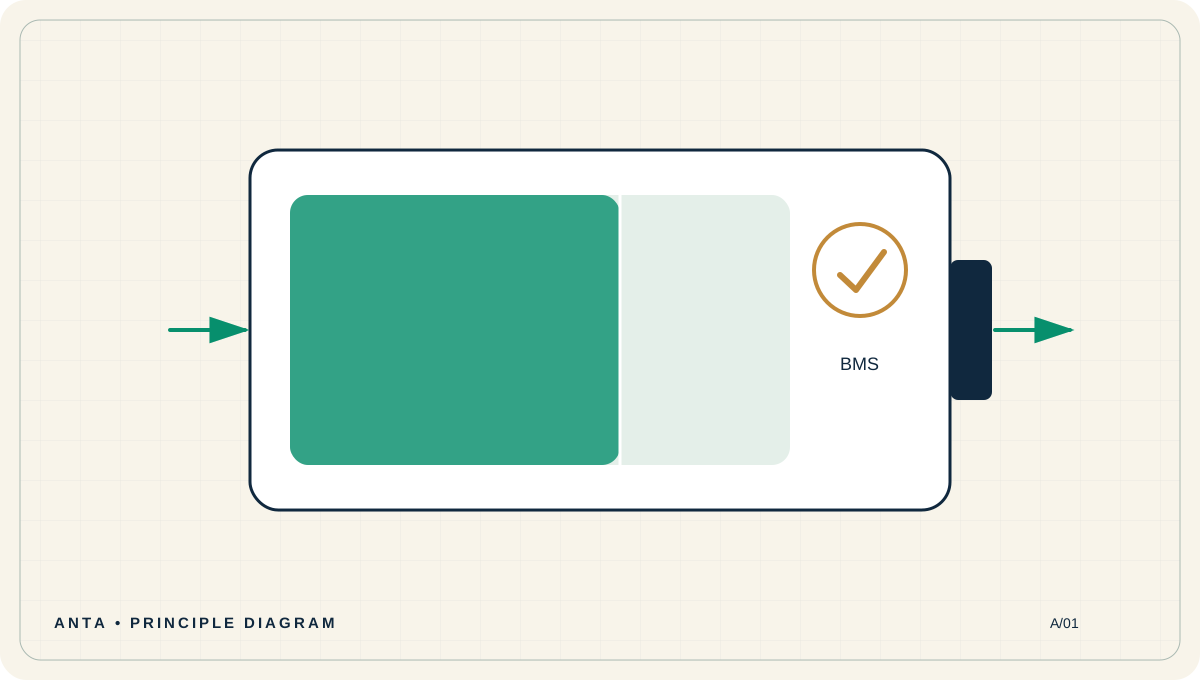
Nominal capacity is reduced by allowed depth of discharge, conversion losses and reserves.

This resource explains the principle, key decisions, common mistakes and the data required to go further.

Solar
A battery is not selected only by its headline capacity. Define backed-up loads, duration, power, cycles, temperature, recharge strategy and end of life.
Guided reading
Nominal capacity is reduced by allowed depth of discharge, conversion losses and reserves.
Peaks, motor starts and maximum current may limit operation before energy is depleted.
Charge-discharge cycles, calendar time and temperature all contribute to ageing.
Priorities, shedding, thresholds, grid or generator recharge and return to normal must be programmed and tested.
Prepare a study
The visitor can begin with these items. ANTA will then determine which measurements and checks are really required.
Frequently asked questions
It depends on usable energy, power and load profile, losses and protection thresholds.
Sometimes, but both power and energy may be high. Compare the requested service against other priorities.
Lithium iron phosphate, a battery chemistry with specific safety, power and cycling characteristics.
Essential glossary
Further reading
ANTA content is an original synthesis. These references support verification and further study.
Turn a subject into a project