Skip to content
ANTA Engineering & Infrastructure
Understand what each stage decides, produces and protects. This resource explains the principle, key decisions, common mistakes and the data required to go further.
A/01
Design principle
Data • Interfaces • Evidence
Project
Key points to retain. Studies progress through levels of decision. As the project advances, assumptions become data, choices become coordinated and documents become contractual.
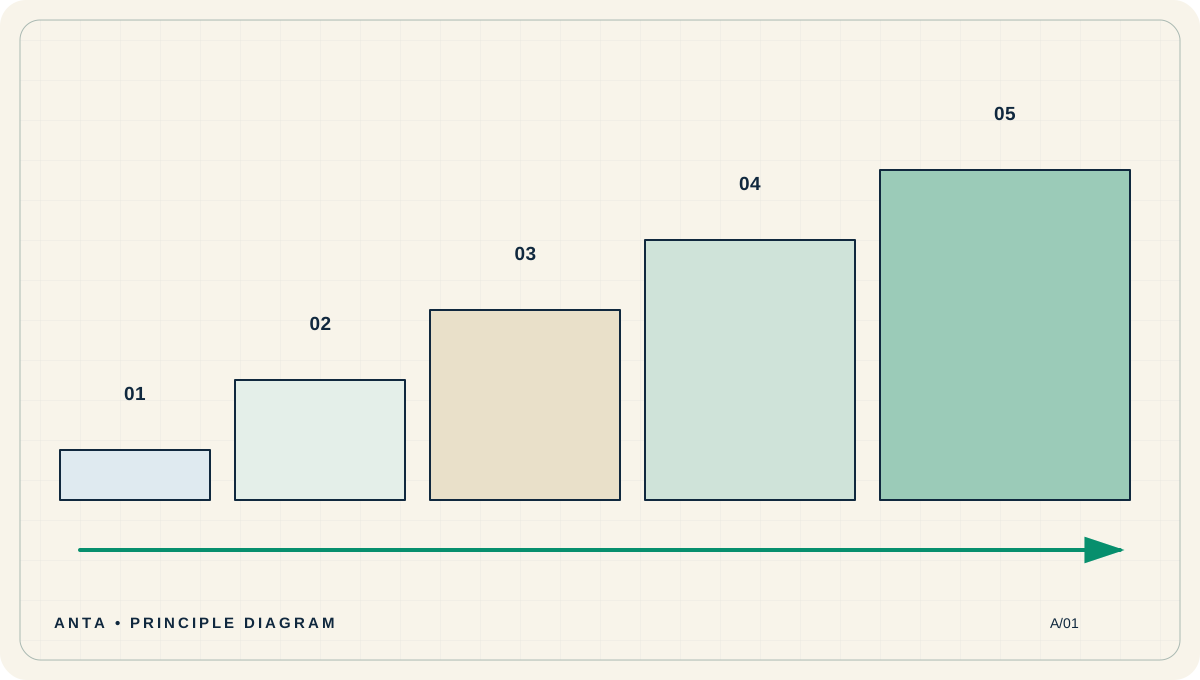
An audit explains the existing condition; feasibility compares possible futures. Concept, developed and detailed design are not merely longer versions of the same document. Tender documents should create comparable bids and prepare acceptance. A/01 Principle diagram — project-specific adaptation required
Audit, feasibility, concept, design and tender documents Guided reading
Understand the mechanism, then its consequences. 01 Audit and diagnosis Baseline, causes, performance, risk, priorities and missing data.
02 Feasibility and brief Objectives, options, constraints, order of cost, programme and decision to proceed.
03 Concept and developed design Principles then consolidated choices: architecture, interfaces, sizing, cost and approvals.
04 Detailed design, tender and construction information Specifications, procurement, construction drawings, methods, controls and tests.
Prepare a study
Useful data before reaching a conclusion. The visitor can begin with these items. ANTA will then determine which measurements and checks are really required.
Decision objective Available data Acceptable uncertainty Budget and programme Responsibilities Deliverables and approval Frequently asked questions
Clear answers without oversimplifying. 01 Can a project go straight to tender?Only if the required studies and decisions already exist; otherwise uncertainty moves into bids and variations.
02 What cost accuracy is reasonable?It depends on stage, surveys, market and scope; every estimate should state its basis and uncertainty.
03 Who approves assumptions?Engineering formulates and justifies them; the client approves those affecting objectives, risk or brief.
Essential glossary
Use the right words for the right decisions.
Audit Structured analysis of an existing condition.
Feasibility Assessment of possibility and options.
Concept design Early architecture and key principles.
Detailed design Coordinated information for procurement and delivery.
Construction information Information enabling the works to be executed. Further reading
Institutional and technical sources. ANTA content is an original synthesis. These references support verification and further study.
MIQCP — Client and design process↗ Turn a subject into a project
Share the available data. We will structure the next step. Prepare initial scoping
+ My project A Anta Your project assistant
Project brief
Anta provides commercial guidance and prepares an initial document review. Studies, prices, schedules and commitments remain subject to human approval. Data and limitations .